

The Sixth Yangtze River Delta Arbitration Lawyers Forum took place in Hefei on 21 June 2025. Under the theme “Foreign-related Rule of Law and the Development of the Arbitration Profession”, it was jointly organised by the Anhui Lawyers Association, Shanghai Bar Association, Jiangsu Lawyers Association and Zhejiang Lawyers Association, with special support from the Anhui Arbitration Association. Nearly 200 representatives of the legal profession and arbitration institutions, together with academics and other specialists, attended in person. The event was also broadcast online.
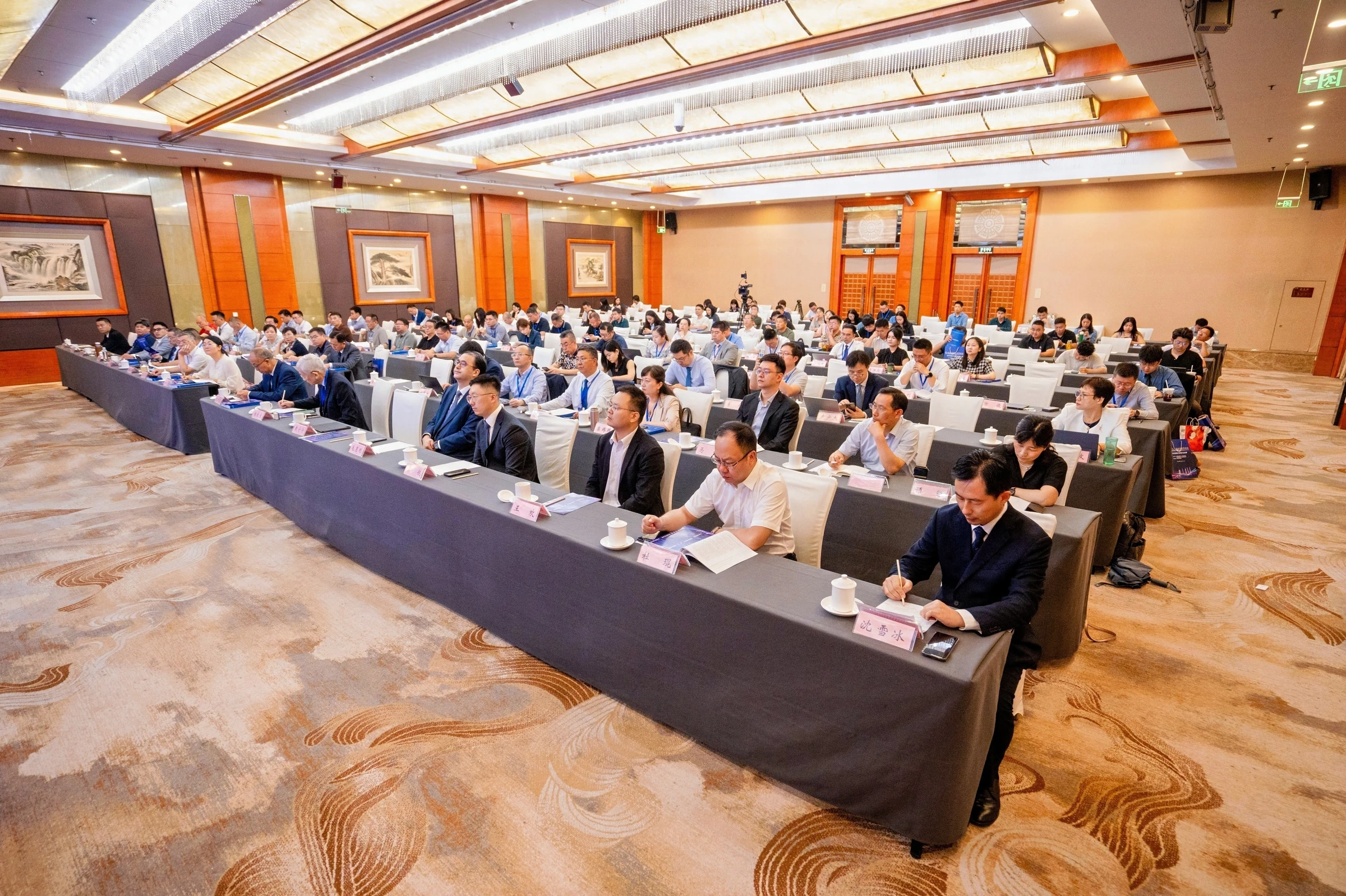
Opening addresses were delivered by Yin Bangding, President of the Anhui Lawyers Association; Huang Ningning, Vice President of the Shanghai Bar Association; Wang Xiaoqing, Vice President of the Jiangsu Lawyers Association; Lu Jincai, Vice President of the Zhejiang Lawyers Association; and Xu Fang, President of the Anhui Arbitration Association.
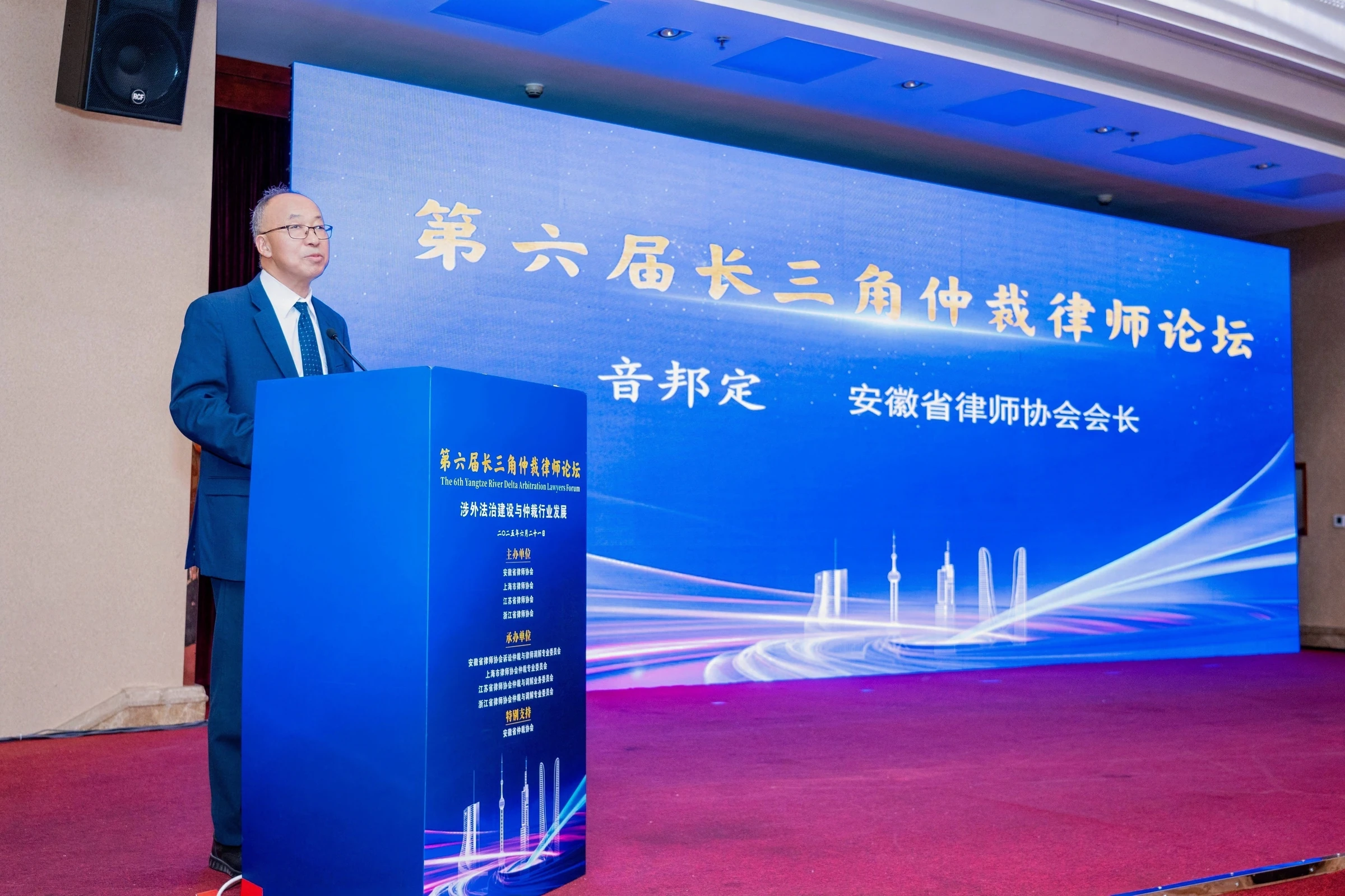
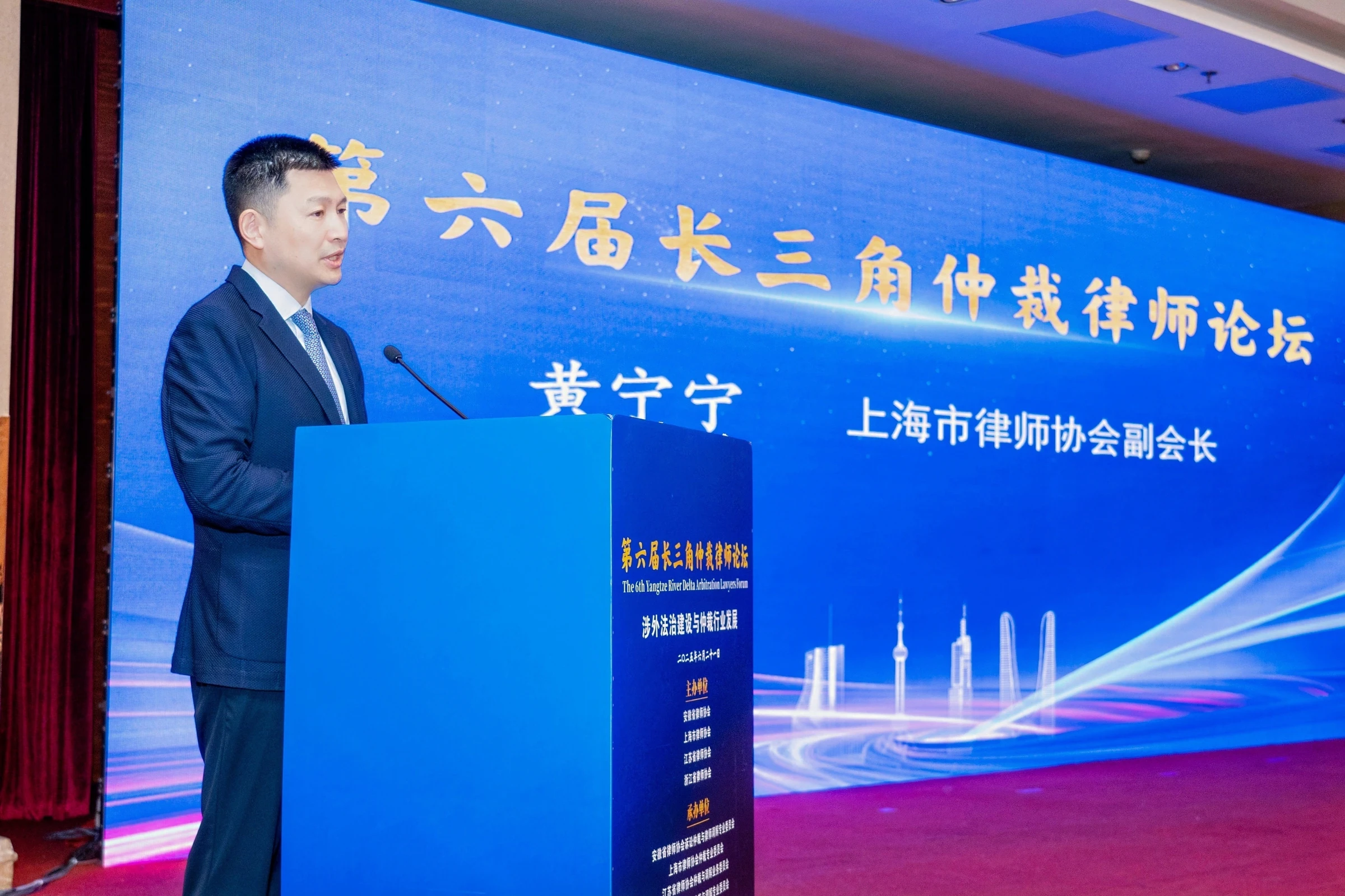

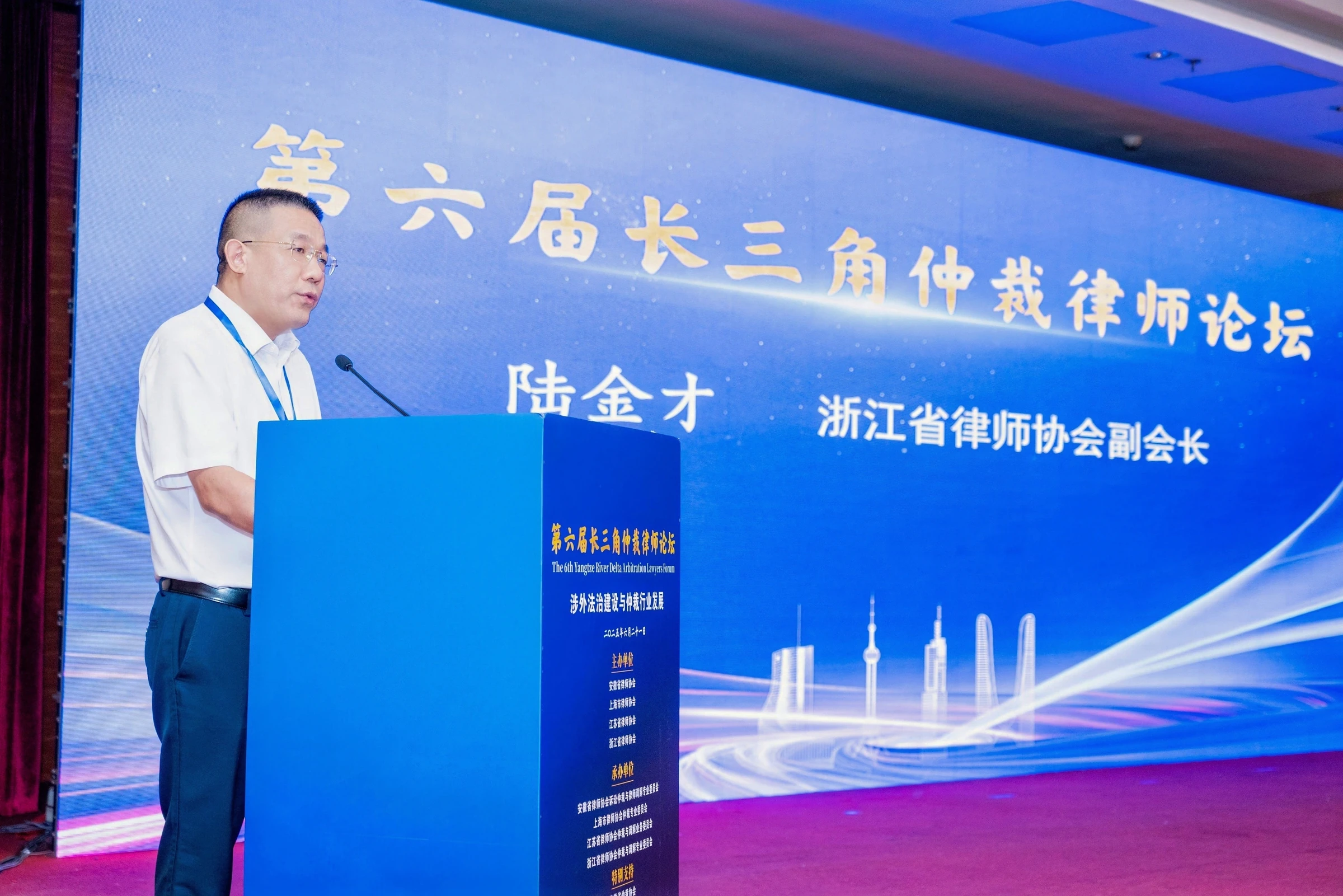
From top left: Yin Bangding, Huang Ningning, Wang Xiaoqing and Lu Jincai
Legal developments and arbitration practice
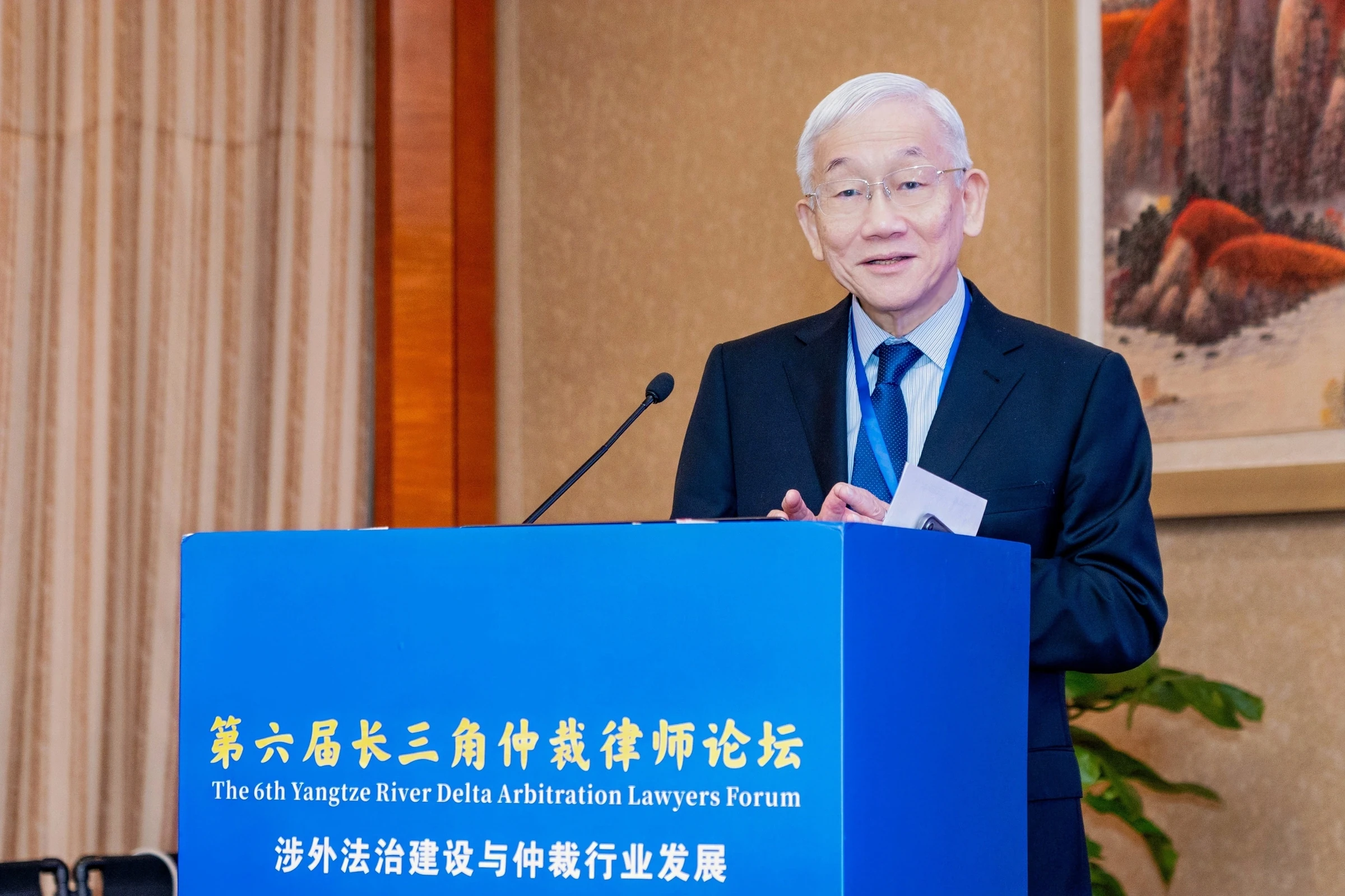
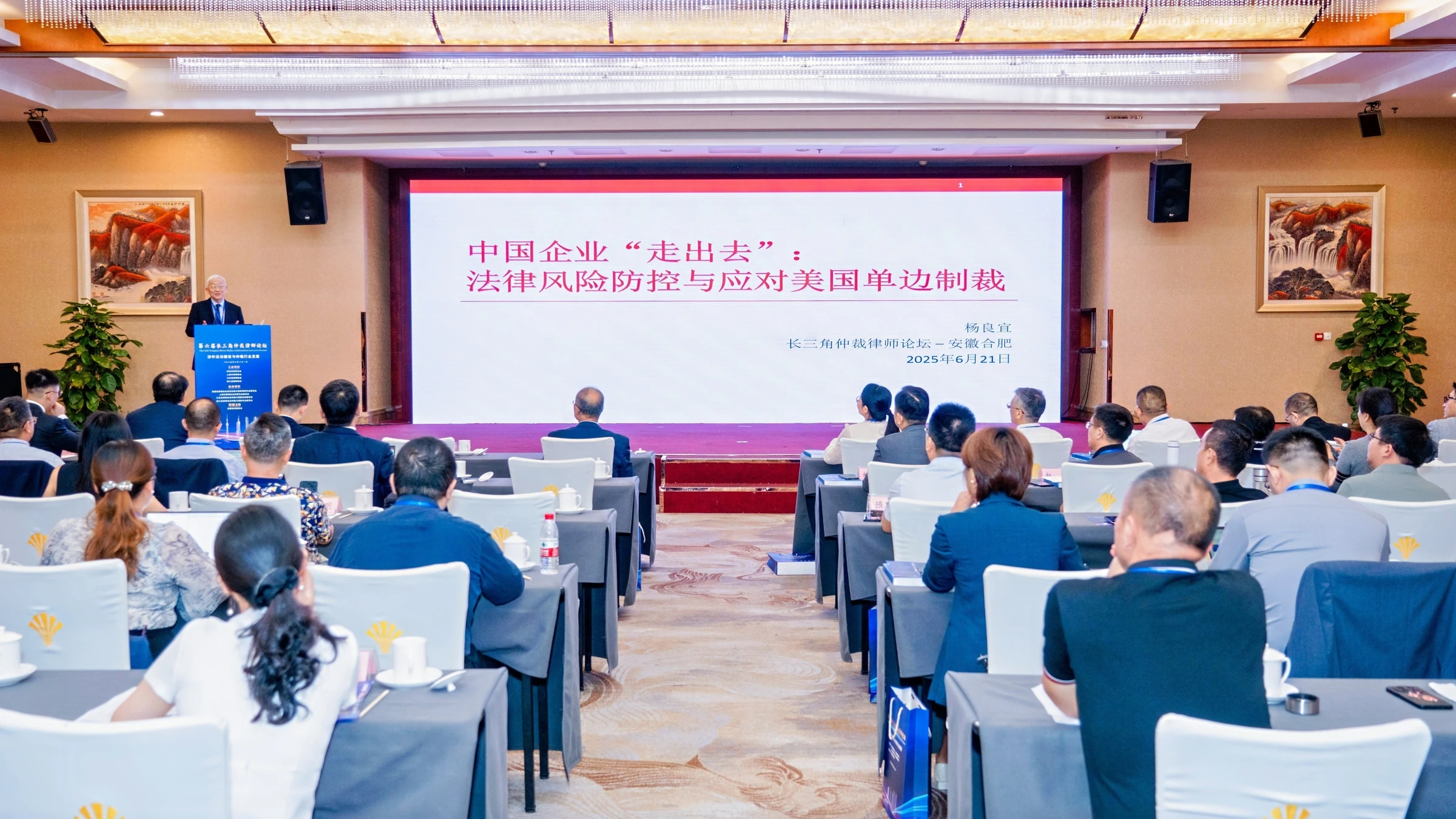
Philip Yang, a member of the International Commercial Expert Committee of the Supreme People’s Court and Honorary Chairman of the Hong Kong International Arbitration Centre, delivered the keynote address on foreign-related rule of law, arbitration risk management and responses to unilateral United States sanctions. Drawing on case examples, he examined legal risks facing Chinese companies operating overseas and discussed international arbitration, risk prevention and responses to sanctions.
Roundtable discussions and paper presentations covered four areas: foreign-related arbitration, corporate and M&A disputes, construction and real estate disputes, and technology-assisted arbitration. Participants exchanged views on cross-border dispute resolution, commercial arbitration practice and innovation in arbitration services.
Mao Huigang, Chair of the Arbitration Committee of the Shanghai Bar Association, and Zheng Shumu, Chair of the Arbitration and Mediation Committee of the Zhejiang Lawyers Association, respectively launched the forum’s collected papers and the Trial Practice Guidelines on Claims and Counterclaims in Domestic Commercial Arbitration. The publications brought together research and practical work from the legal profession across the three provinces and Shanghai.
Dandan Fei presents on the public policy defence in international arbitration
Dandan Fei, then Director of the International Department at Qingheqing Law Firm, attended the forum. Her paper, “The Public Policy Defence in International Arbitration: A Comparative Perspective”, was selected for the forum’s collected papers, and she was invited to present her findings during the paper session.

The paper examines the public policy defence in the recognition and enforcement of foreign arbitral awards. It compares rules and judicial practice in Mainland China, India, Singapore and the Hong Kong Special Administrative Region, considering the scope of public policy, the intensity of judicial review and the treatment of arbitral finality.
Drawing on this comparison, Fei proposed distinguishing public policy that protects the fundamental legal order from ordinary industrial and regulatory policy, and applying refusal of recognition or enforcement with care. She discussed guiding cases, publication of judgments and proportionality analysis as ways to improve consistency and predictability in judicial review while protecting fundamental legal interests, arbitral autonomy and the finality of awards.