

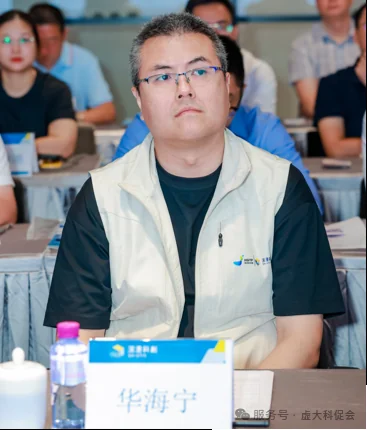
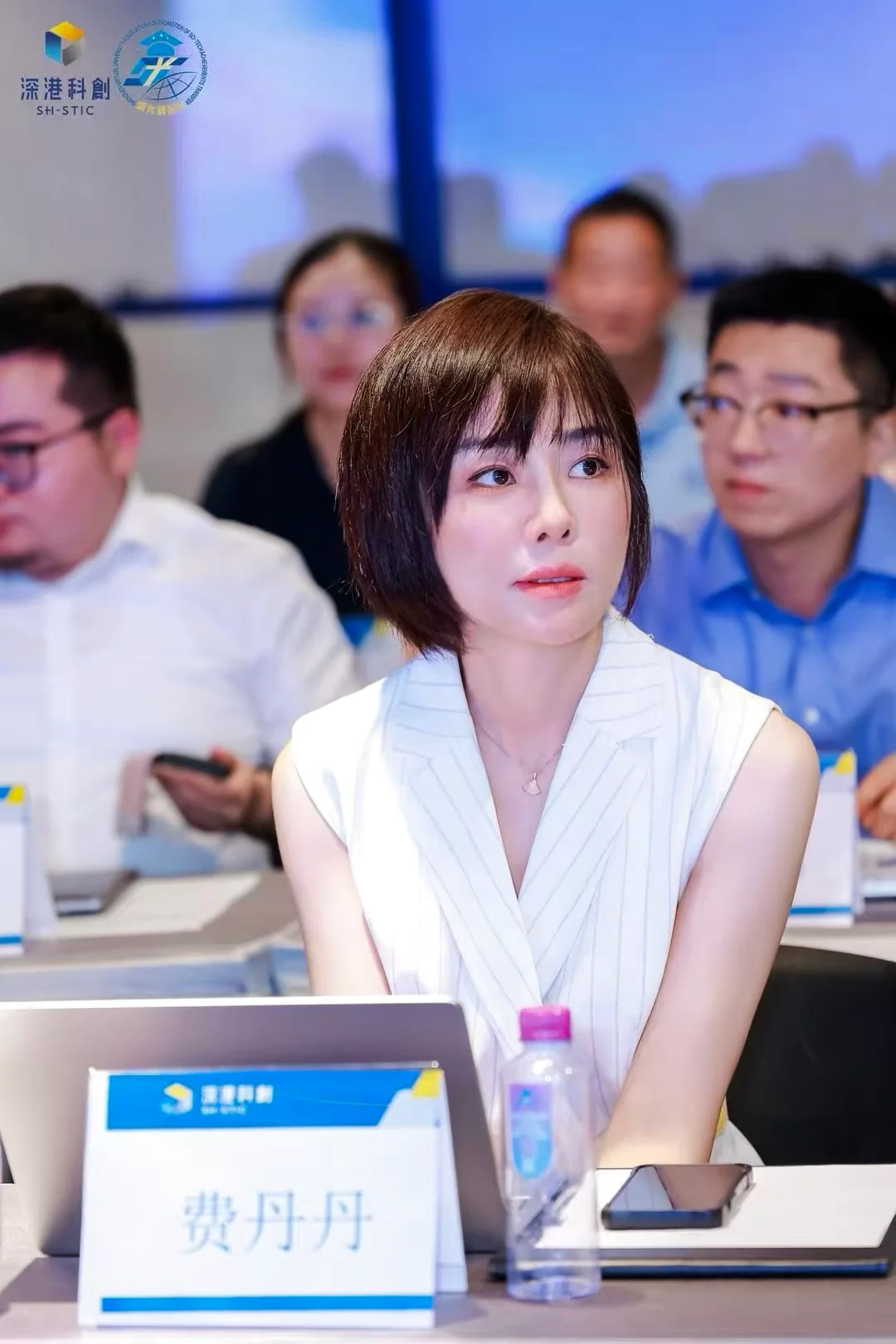
On 18 June 2025, an overseas business seminar in the Shenzhen SOE Technology Dialogue series was held at the Shenzhen State-owned Assets and Enterprises Industrial Innovation Centre. Participants included Hua Haining, Vice President of Shenzhen–Hong Kong Science and Technology Innovation Cooperation Zone Development Co., Ltd. (SH-STIC); Lu Shunxiang, Executive President of the Shenzhen Virtual University Technology Transfer Promotion Association; and Deng Xiaokun, President of the Shenzhen–Hong Kong Science and Technology Cooperation Promotion Association. Dandan Fei, then Director of International Business at Qingheqing Law Firm, was invited to speak on legal compliance in overseas expansion.
Hosted by SH-STIC and organised by the Technology Transfer Promotion Association, the seminar brought together more than 80 executives from Shenzhen state-owned and technology enterprises, alongside policy research representatives. Supporting organisations included InnoLink Incubator, Shenzhen Guangming Science City Development and Construction Co., Ltd., Guangming Science City Hong Kong Operations Centre Co., Ltd. and relevant industry associations.
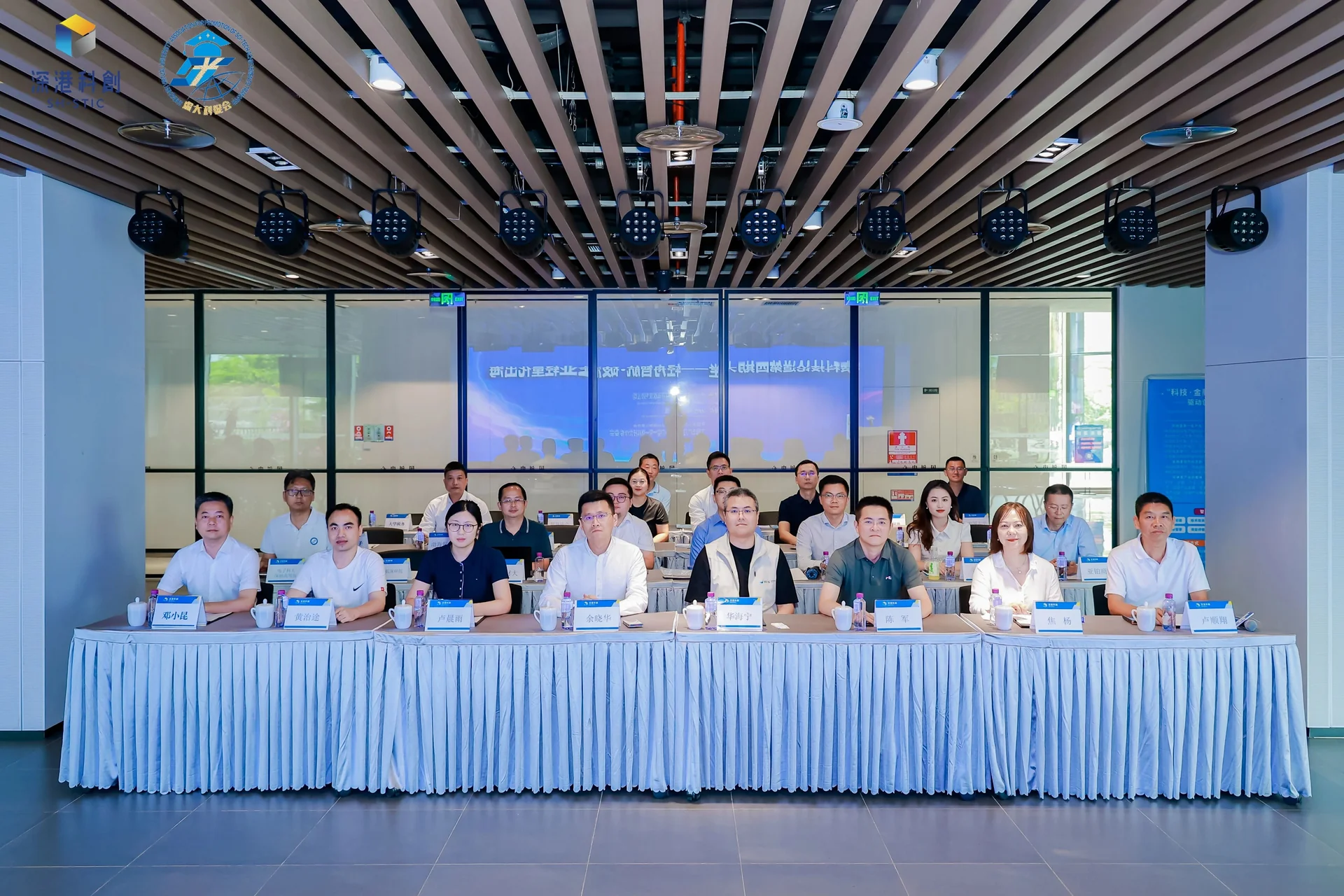
Moderated by Lu Shunxiang, the programme addressed market strategy, access to resources, tax compliance and dispute risks in international business. Five speakers drew on their professional and project experience to discuss how early-stage and growing companies can manage expansion costs and risks, and use industrial parks and specialist services to establish overseas operations.
Established in November 2018, seminar host SH-STIC was jointly funded by Shenzhen Investment Holdings, Shum Yip Group and Futian Investment Holdings, with registered capital of RMB 10 billion. The company is responsible for planning, development, attracting resources and operational management in the Shenzhen section of the Hetao Shenzhen–Hong Kong Science and Technology Innovation Cooperation Zone.
Dandan Fei: integrating compliance throughout overseas expansion
In her legal compliance presentation, Fei used the EU Carbon Border Adjustment Mechanism (CBAM) and General Data Protection Regulation (GDPR) as examples of environmental and data requirements that businesses encounter when entering overseas markets. Discussing compliance as a foundation for growth, she emphasised that legal requirements should be considered throughout international expansion, from market selection and business arrangements to ongoing operations.
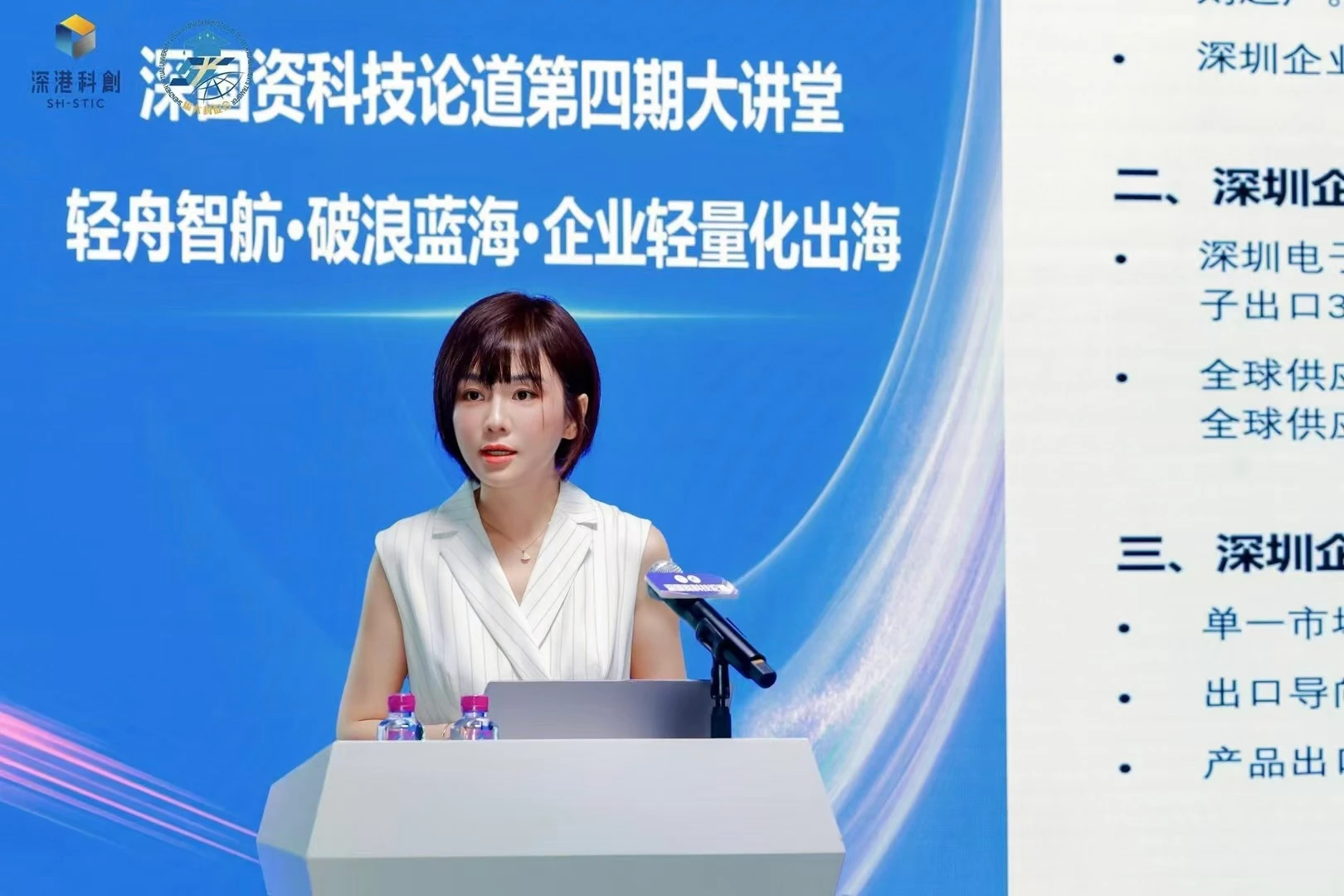
Fei introduced a five-step compliance roadmap and discussed how companies could use resources such as industrial park data channels and testing centres to identify potential compliance issues early. She explained that incorporating legal requirements into business decisions at an early stage can help reduce the cost of later adjustments and improve implementation.
From market strategy to establishing overseas operations
Other presentations covered supply-chain adjustments in response to changing global trade, overseas intellectual property protection and cross-border tax management. Topics included market diversification, local operations, international trademark and patent strategies, and tax compliance in cross-border e-commerce. Speakers discussed the importance of addressing market development and risk management together.
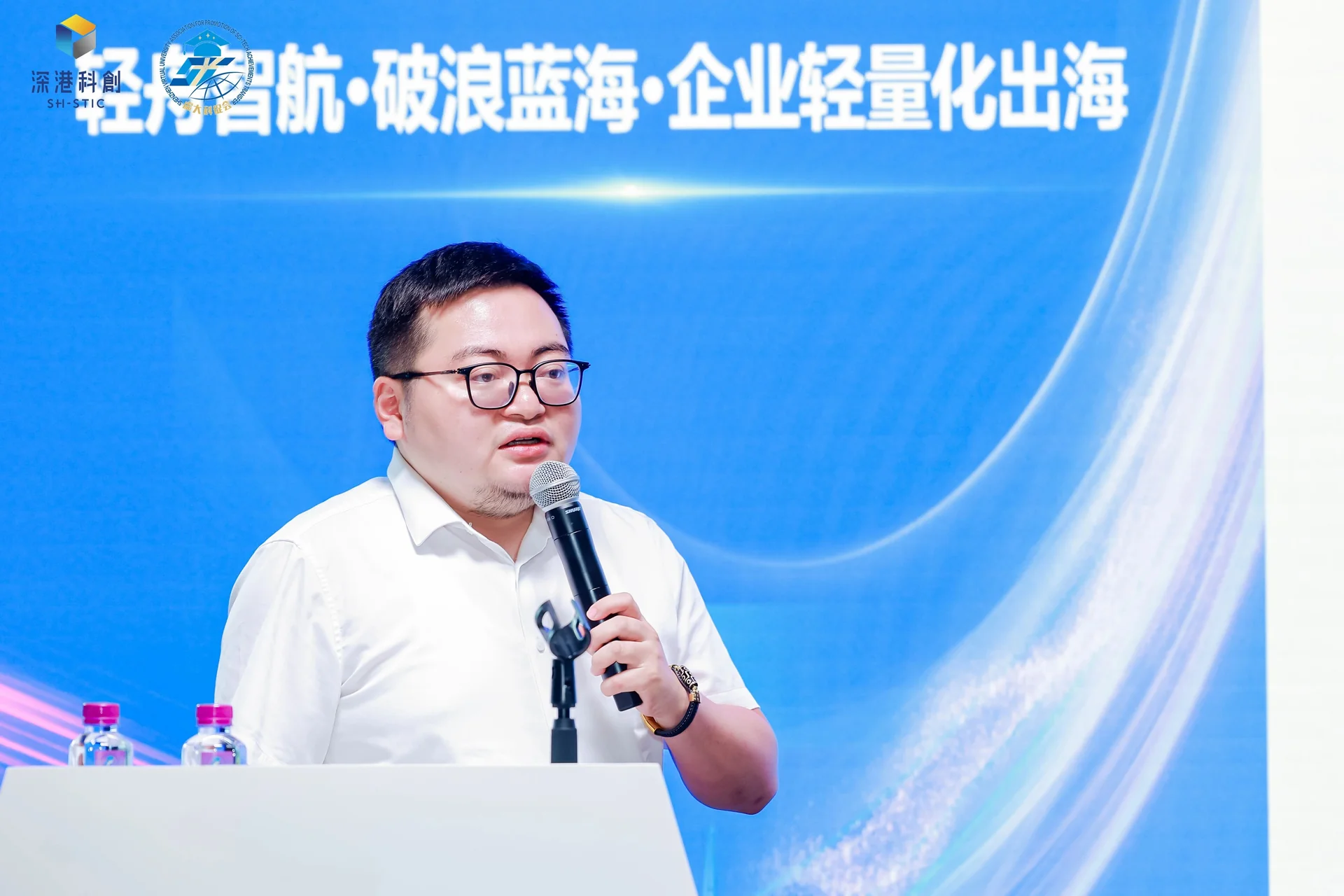
Yan Jiongchao, Deputy Secretary-General of the Belt and Road Science and Technology Cooperation Committee of the China Association of Productivity Promotion Centres and Dean of the CAS Maker Institute at the Shenzhen Institute of Advanced Technology, discussed the role of overseas industrial parks. Using the China–Belarus Industrial Park as a case study, he explained how parks can connect technology, industry and professional services across borders to support technology companies entering international markets.
Connecting specialist services through Hetao
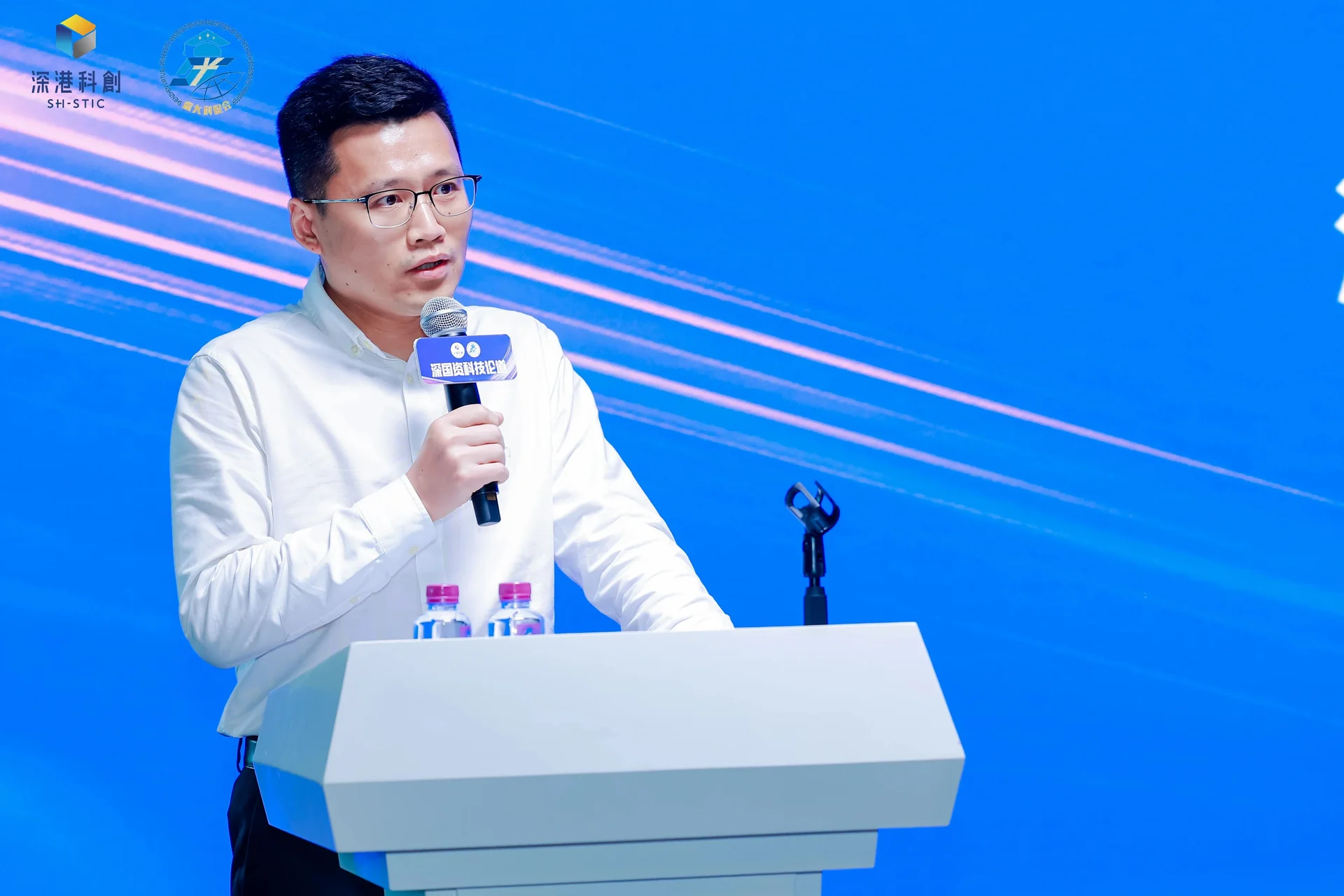
In his closing remarks, Yu Xiaohua, General Manager of SH-STIC’s Park Operations Department, outlined the company’s role in developing and operating the Shenzhen section of the Hetao cooperation zone. He said SH-STIC would draw on Hetao’s location and institutional advantages, and its overseas business service base for specialised and innovative enterprises, to connect legal, tax and intellectual property resources in China and abroad through a professional services alliance.
Opened in 2021, the Shenzhen State-owned Assets and Enterprises Industrial Innovation Centre supports two platforms: one for commercialising innovations from state-owned enterprises and another for connecting university research with industry. The seminar formed part of the centre’s Shenzhen SOE Technology Dialogue series, bringing state-owned platforms, technology companies and professional service providers together around the practical needs of international business.